

-
Share on
-


Summary
- You can do much more with corrugated materials than make shipping boxes. You can use them to create retail displays, custom packaging, product inserts, temporary point-of-sale structures, and more.
- Choosing the right flute, structure, and design features can help you balance product protection, presentation, storage, and shipping requirements.
- Beyond their flexibility, corrugated materials can also help you reduce material use and support sustainability through efficient designs and recycled fiber.
When we say corrugated packaging, most of us probably picture a brown box. It holds a product, keeps it protected, and gets the job done. Simple enough.
But corrugated materials can do a lot more than that. You can use them to create retail displays, product inserts, custom structures, and other packaging formats that help your products stand out, stay organized, and make better use of your space.
Let's take a look at how different industries are putting corrugated materials to use in creative ways, and see what these ideas could mean for packaging and product design.
What Makes Corrugated Materials Unique?
Before looking at what corrugated materials can do, it helps to understand what corrugated packaging actually is. Corrugated packaging typically consists of one or more layers of paperboard, with a fluted layer between sheets of linerboard.
- Linerboard. The flat outer sheets that form the surfaces of the board. They provide the surface for printing branding, product information, and other graphics.
- Fluting. The ridged layer between the linerboards. Common flute types include A, B, C, E, and F, with each offering different levels of thickness, cushioning, stacking strength, and printability. The flute profile you choose can affect how the finished board performs during handling and shipping.
- Corrugated board. The finished material created by combining linerboard and fluting. Different board constructions can provide different levels of strength, cushioning, and rigidity.
This structure gives the material its combination of strength, cushioning, and relatively low weight, which makes it useful for protecting and transporting products.
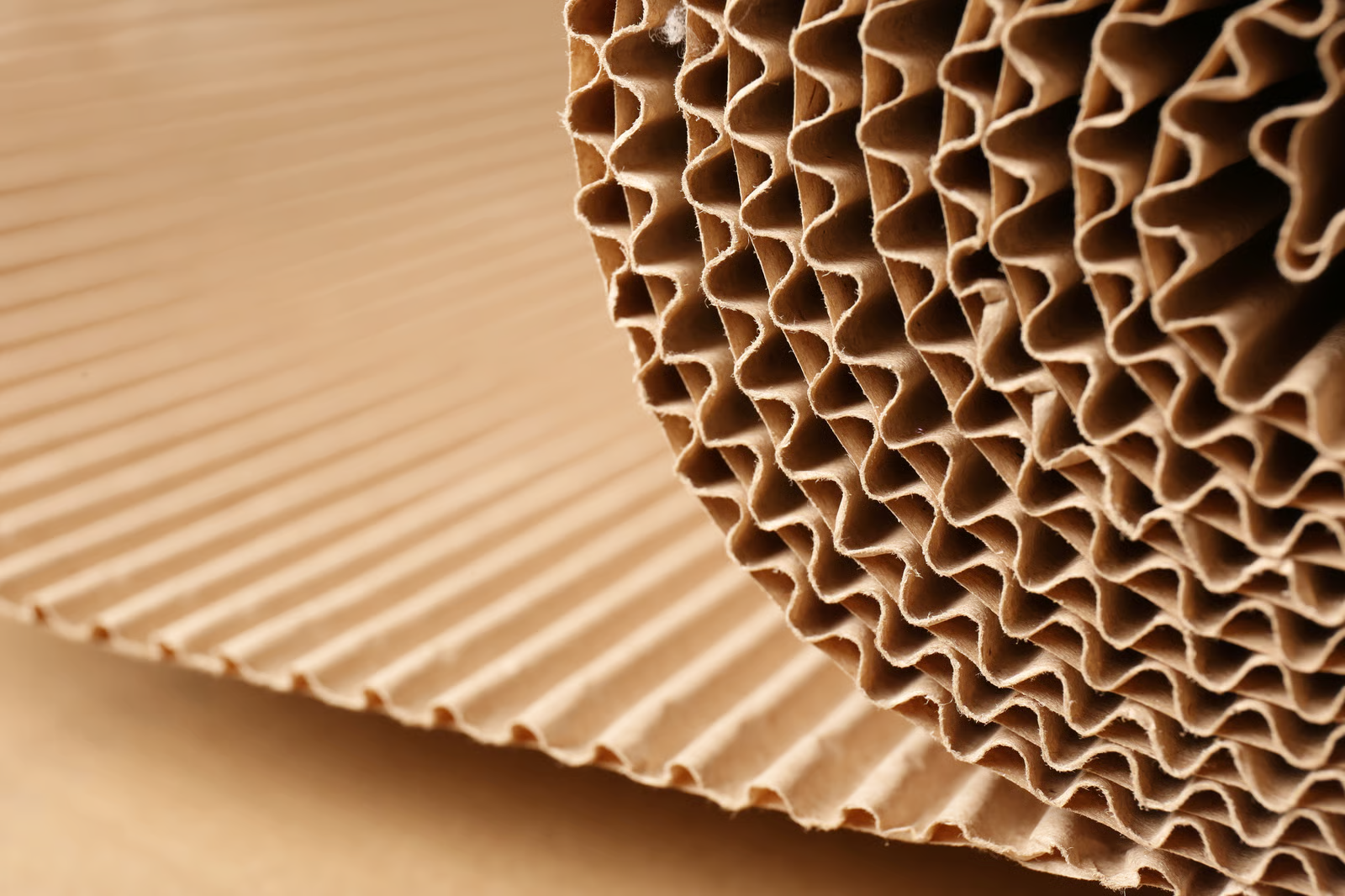
Corrugated Packaging Flute
That balance matters to businesses in all kinds of industries. Food and beverage companies use corrugated packaging to protect products during shipping, keep them organized, and present them at retail. Consumer brands can use it for custom packaging, product inserts, displays, and other formats that help products stand out. Manufacturers can also design corrugated components around the products they need to protect, making better use of warehouse and shipping space while reducing unnecessary corrugated material.
Corrugated materials also give businesses plenty of room to adapt their packaging to changing needs. Designs can accommodate different product sizes, handling requirements, branding, and retail environments without changing the basic material.
And as businesses look more closely at material use and packaging waste, corrugated packaging can offer another practical option worth considering.
That versatility opens up plenty of possibilities beyond the standard box. Corrugated materials can be designed to protect a product, make storage and handling easier, support a retail display, or add something more creative to the way a product is presented.
Once you look beyond the standard box, there are plenty of ways to put a corrugated material to work.
5 Creative Uses of Corrugated Materials
Corrugated Material for Retail-Ready Displays
Retail-ready packaging allows retailers to display products on a counter display, shelf trays, floorstands, or pallet displays. It also makes products easy to open and ready for shelf display. For example, candy is often displayed in retail-ready packaging.
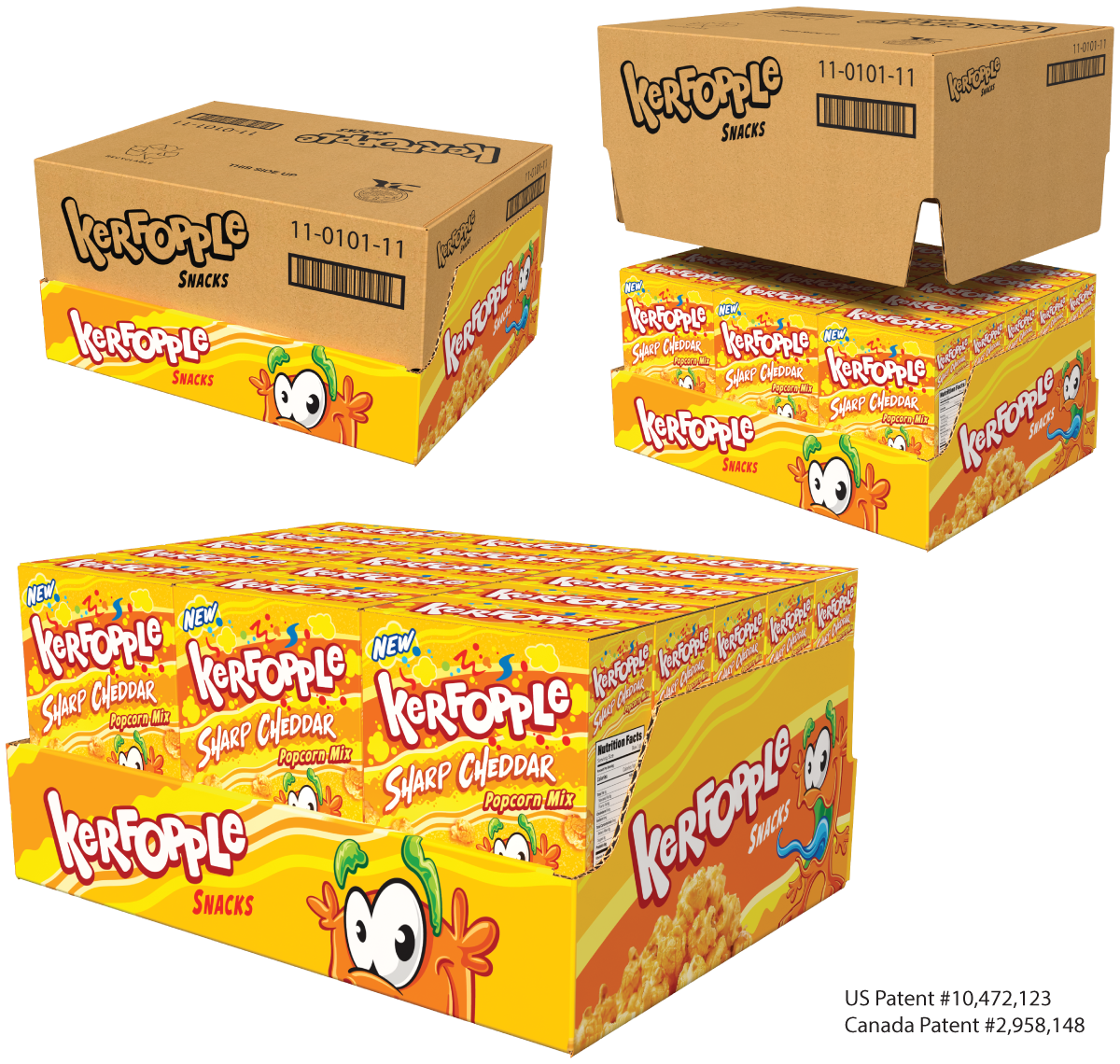
York Container’s Patented Z-Fold Tray
Retail packaging and displays streamline operations by combining distribution and retail processes, helping products move from shipping to the shelf more efficiently. Corrugated materials make retail-ready displays and packaging easier by:
- Protecting consumer goods
- Saving warehouse space
- Being easy to customize
There are also certain logistical requirements for retail-ready packaging. Due to the complexity of inventory management at a big-box retailer, it’s important that retail-ready packaging be easy to identify, open, replenish, and shop. Corrugated materials easily meet these requirements.
A global example of retail-ready packaging use is Starbucks. Their floorstands sell their trademark mugs and coffee grounds in-store and in other big-box retailers, like Target and your local grocery store. They also use corrugated materials in other ways: customers can get hot coffee for the whole office in a corrugated box. Even the hot drinks come with sleeves made of corrugated materials.
Starbucks is a standout example of how retail-ready displays made from corrugated materials are a cost-effective and creative way to make your product stand out.
Customizable and Creative Corrugated Packaging for Brand Differentiation
Ensuring that your products stand out in-store is vital to your success. 72% of buyers say a product’s packaging affects their buying decisions!
Corrugated materials make it easy to customize your packaging to match your brand. You can make everything from the boxes you ship products in to shelf trays and floor stands designed to catch your ideal customer’s eye.
Many brands are leveraging the versatility of corrugated materials to design unique and eye-catching packaging that stands out on shelves and on the internet. As social media has become more prevalent, consumers experience eye-catching packaging in stores and online.

Product Unboxing
30% of people say they are more likely to share pictures and videos of packages they receive on social media if the packaging is visually appealing. Unique packaging is necessary in the digital age to gain a competitive edge, enhance your reputation, and get widespread exposure.
Corrugated Packaging for Smarter Product Protection
Corrugated packaging can be designed around the shape, weight, and handling needs of a specific product. You can use custom inserts, dividers, partitions, and cushioning structures to separate and secure your products during storage and transportation.
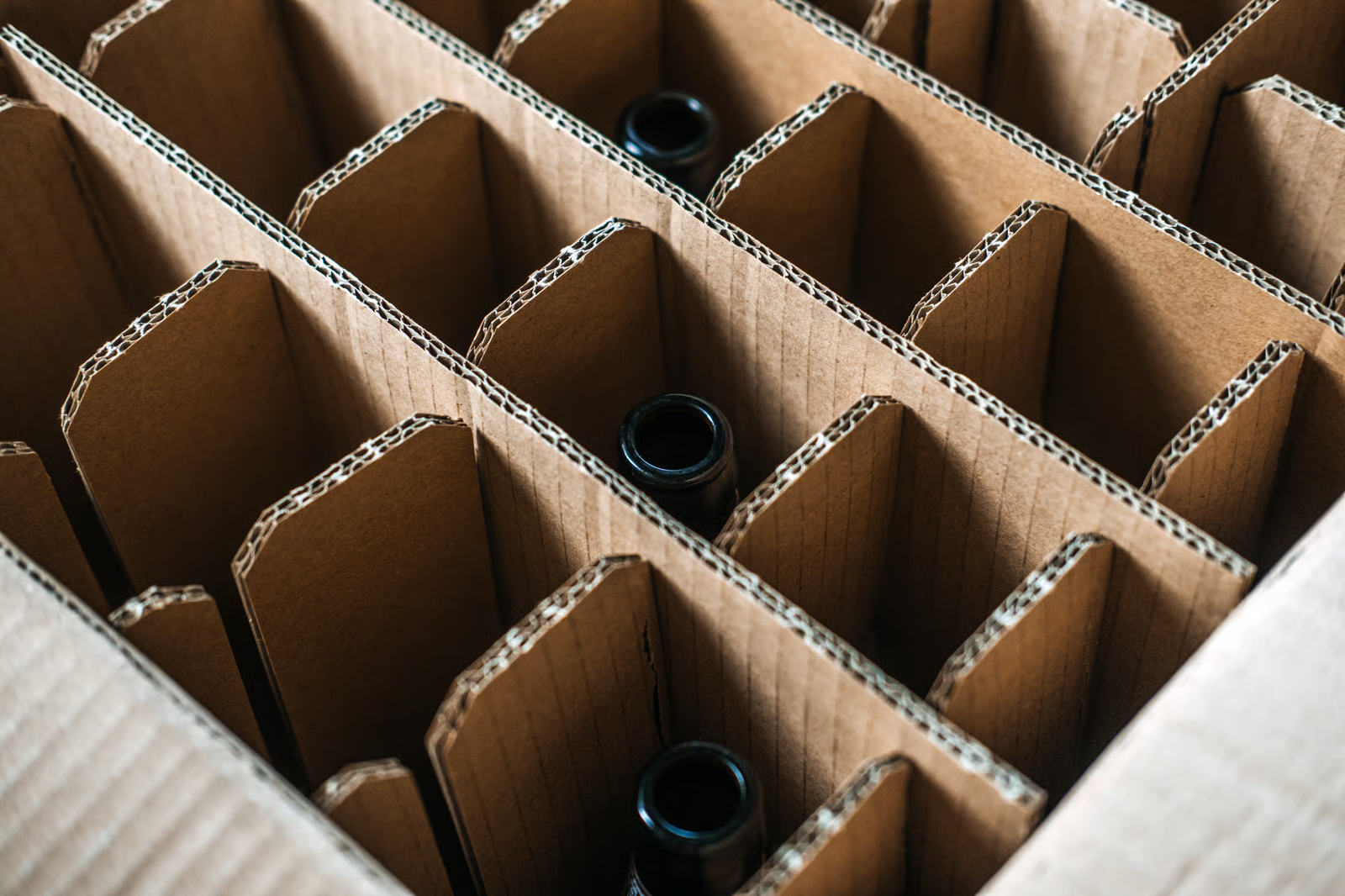
Wine Bottle Corrugated Packaging Design
This is particularly useful when your products have unusual shapes, multiple components, or surfaces that need extra protection. Instead of filling space with additional packing materials, your corrugated interior itself can be designed to hold each component in place.
Designing Corrugated Packaging Around Your Product
When you are designing a package, start with what the package needs to do. Does it need to protect a fragile product, hold its shape on a retail shelf, support detailed graphics, or stay compact for shipping? Knowing this can help you narrow down which corrugated flute makes sense for the design.
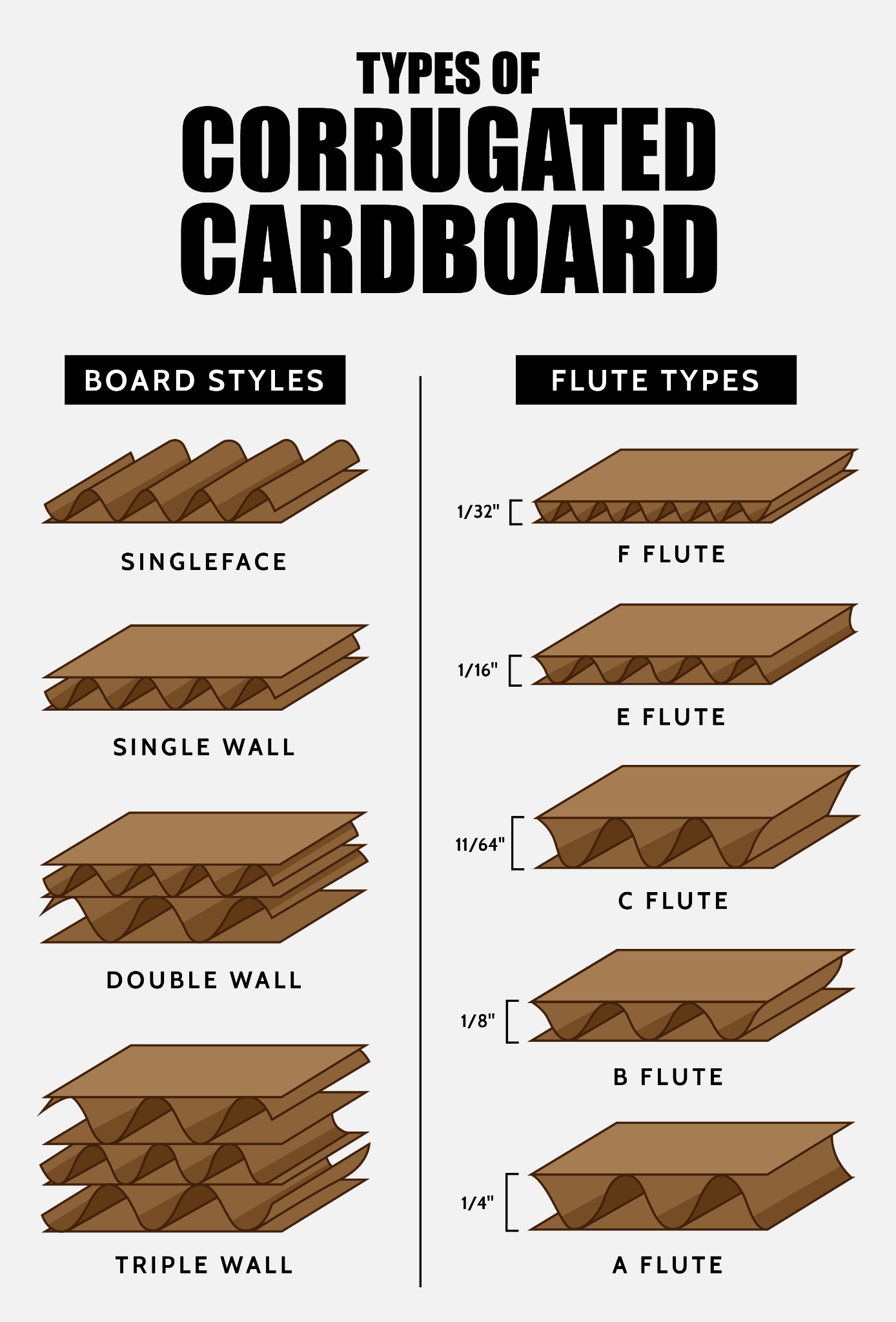
Different Corrugated Packaging Flute Types
For example, if you are designing a premium cosmetics box, you may want a thinner package with a smooth surface that can carry detailed graphics and still feel substantial in the customer's hands. E-flute or F-flute can work well for this type of application because their smaller profiles create a more compact package and a smoother printing surface.
Now consider a heavier product that will spend more time in shipping and storage. A thicker A-flute or C-flute may make more sense when cushioning and stacking strength matter more than having the thinnest possible package. For even heavier or more demanding applications, a double-wall construction can provide additional strength.
You can also combine flute profiles with custom folds, inserts, die cuts, and multi-layer constructions to have more control over the finished package without limiting your design to a standard box format.
Corrugated Packaging as a Temporary or Experiential Structure
What happens to your packaging after the product reaches its destination? You can design corrugated packaging to have a second purpose once the box arrives.
Think about a product launch, trade show, retail promotion, or sampling event. Instead of designing a package that gets opened and discarded, you can incorporate features that let the corrugated structure become part of the experience. A shipping package could unfold into a product display. A box could include built-in product stands or presentation elements. A larger corrugated structure could become a branded backdrop, sampling station, or temporary installation.
Corrugated works well for these applications because you can cut, score, fold, print, and assemble it into custom shapes. You can also design the packaging so different parts serve different purposes before and after opening.
Future Trends in Corrugated Packaging
As we look toward 2027, packaging design trends will continue to balance personalization, sustainability, and material efficiency. Consumers are paying closer attention to how products are packaged, while brands are looking for ways to make their packaging more relevant to the people buying their products.
For designers, that can mean more opportunities to customize corrugated packaging through graphics, structural design, limited-edition runs, seasonal packaging, and packaging that serves more than one purpose. Corrugated materials can be adapted to different shapes and designs without requiring a completely different material for every concept.
Sustainability will remain an important consideration, too. Corrugated packaging is recyclable and is commonly produced using recycled fiber. At York Container, our commitment to sustainability begins with how the packaging is designed and manufactured. York Container uses 100% recycled containerboard and develops packaging designs that can use up to 30% less fiber while maintaining the performance the package needs.
Pro tip: How can you avoid packaging companies that make misleading environmental claims? You should know which questions to ask a corrugated packaging company about its materials, sourcing, recycling, waste, and the evidence behind its environmental claims. Ask for specific data and documentation rather than accepting broad sustainability statements at face value.
Material efficiency may become an even bigger part of packaging design in 2027. Rather than simply using more material for added protection, you can consider flute selection, structural design, inserts, folds, and other features that help a package perform its job without adding unnecessary material.
Corrugated packaging manufacturers are also finding new ways to support these goals through structural design and material choices. As you develop packaging concepts for the years ahead, corrugated gives you plenty of room to experiment with how a package looks, functions, and fits into the larger product experience.
Use Corrugated Materials to Optimize Your Manufacturing Processes
Corrugated materials give you more flexibility in how you design packaging for your products. The right combination of board construction and design can help you address specific packaging requirements while making better use of the material itself.
When you design packaging around what your product needs from the point it leaves your facility through its final destination, you have more room to make those choices work together. That might mean choosing a specific flute profile, creating a custom insert, or designing a package that serves another purpose after opening.
York Container can help you evaluate those requirements and develop a corrugated solution around your products and packaging needs. Learn more about York’s brown box solutions or contact York Container to discuss your project.
Corrugated Material FAQs
Q. What are the creative uses of corrugated packaging?
A. Corrugated packaging can be designed for retail displays, custom product packaging, protective inserts, dividers, temporary structures, and packaging that serves more than one purpose.
Q. How do you choose the right corrugated flute for packaging?
A. Start with what the package needs to do. Consider the product's weight, fragility, shipping and storage conditions, required cushioning, print needs, and overall package size. A, B, C, E, and F flutes each offer different combinations of strength, cushioning, thickness, and printability.
Q. Is corrugated packaging a sustainable option?
A. Corrugated packaging is recyclable and commonly made with recycled fiber. You can also improve its material efficiency through right-sized structures, appropriate flute selection, and designs that use less fiber without compromising the package's performance.