

-
Share on
-


Summary
- Choosing a partner to provide your medical packaging supplies is a decision that can affect your products' quality upon arrival, supply continuity, production efficiency, and ability to meet regulatory requirements.
- Evaluate each packaging supplier based on their experience serving medical and pharmaceutical manufacturers, quality assurance processes, ability to meet your production demands, and flexibility in accommodating order changes.
- When evaluating a potential partner, pay attention not only to how they answer your questions but also to the questions they ask you. Their inquiries can reveal how well they understand your requirements and whether they take the time to identify your needs before recommending a solution.
“We need a new medical packaging supplier. I have a few companies on my list. What should I ask them before we spend time on samples, pricing, qualification, and approvals?”
Choosing a secondary packaging supplier for medical or pharmaceutical products means putting part of your supply chain in their hands. If you choose the right partner, you can plan your production with confidence, knowing your packaging supplier understands your requirements and can deliver as expected. But if you choose the wrong one, you may face unexpected disruptions that put your production plans at risk.
To evaluate a supplier’s capabilities and really determine if they can meet your needs before you commit to a partnership, it’s important to ask the right questions early in the selection process.
Here are five questions to ask before choosing a medical packaging supplies partner.
1. How Do You Meet Industry-Specific Packaging Requirements?
When sourcing medical packaging supplies for medical devices or pharmaceutical products, you need to know whether your supplier can meet the applicable quality and regulatory requirements. Depending on your application, this may include material compatibility, sterile barrier performance, batch traceability, and documented quality controls.
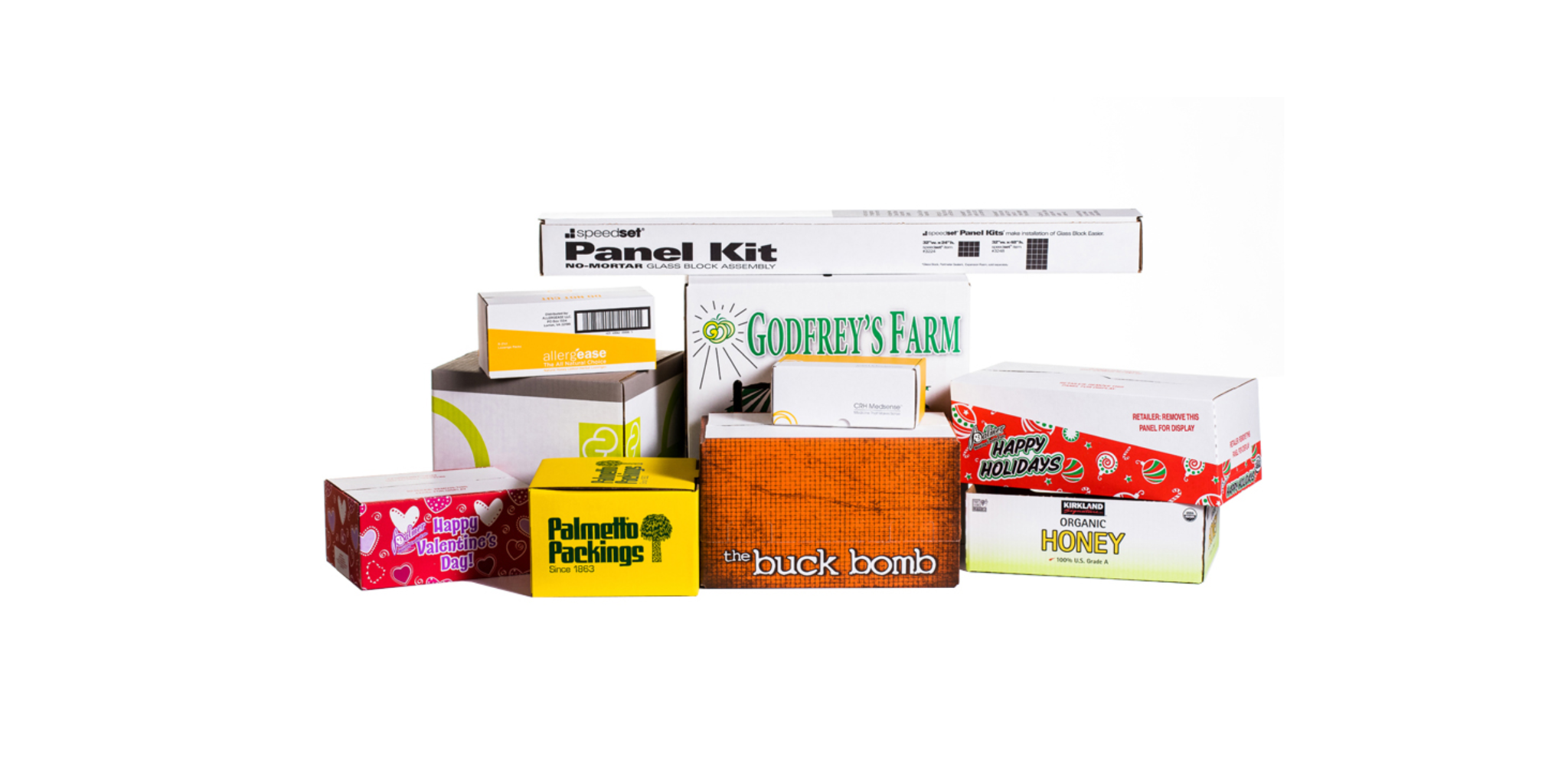
York Container Packaging Solutions for Various Industries and Applications
- Ask about their experience with your type of product. Have they supplied packaging for sterile medical devices, pharmaceutical containers, diagnostic products, or other applications similar to yours? Find out what packaging considerations those applications involve.
- Ask how they account for product protection. How do they determine whether the packaging materials and designs suit your product's sensitivity, storage conditions, and handling requirements?
- Ask how they handle packaging changes. If you change materials, dimensions, or packaging configurations, how do they assess the potential effects, and how can they communicate those changes before production?
2. How Do You Maintain Consistency From One Order to the Next?
A packaging sample may meet your requirements, but will your next order have the same dimensions, strength, and quality? To ensure that your packaging continues to protect your products as intended, ask how your supplier checks each production run against your approved specifications. Also, ask whether they have reliable material supplies, if they operate as a single-source packaging supplier, and how they manage relationships with other suppliers if they source materials externally.
3. How Do You Manage Your Production Capacity and Delivery Commitments?
A manufacturer might quote a lead time that works for your first order, but can they accommodate urgent reorders when your needs change? What happens if you increase your order volume? What happens if a shipment arrives late?
Since your production schedule depends on having the right packaging available at the right time, you need to know how your supplier prepares for these situations and communicates potential delays.
- Ask how far ahead you need to place repeat orders. If you rely on just-in-time (JIT) packaging deliveries, ask how much lead time your supplier needs for each reorder and whether they can deliver according to your production schedule. If you expect demand to increase during certain months, ask how far in advance you need to share your forecast.
- Find out how the manufacturer handles unexpected increases in demand. Ask whether they can increase your order quantity after scheduling production, how much additional packaging they can produce, and whether the larger order would delay delivery.
- Find out how the manufacturer handles delivery delays. Ask how soon they will notify you of a delay, who will update you on the revised delivery date, and what options they can offer if the delay affects your production plans.
- Ask how they handle material shortages or unexpected production disruptions. Find out what steps they take to prevent these issues from delaying your packaging orders, such as sourcing materials from alternative suppliers or moving production to another facility. If they need to change the material or manufacturing process, make sure they consult you before making any changes.
If your production schedule leaves little room for delays, explain your delivery deadlines upfront and ask how much flexibility they can offer if you need an urgent reorder or an earlier delivery.
4. How Do You Handle Changes to Packaging Specifications or Orders?
Your packaging requirements can change even after you've approved an order. You might need to correct an artwork error, revise a specification, or increase the quantity of your packaging order. Depending on how far production has progressed, those changes could affect multiple parts of your operation at once. And if you rely on just-in-time (JIT) packaging, you'll need to know how quickly your manufacturer can respond to these changes without compromising your scheduled deliveries.
|
What to Discuss |
What to Ask Your Manufacturer |
|
Requesting changes to an approved order |
Who handles revision requests? What information do you need to provide? Can they still accommodate changes to specifications, artwork, or order quantities at your current stage of production? |
|
Impact on costs and delivery dates |
How would a change affect production costs, material requirements, and delivery dates? Ask which changes the manufacturer can still accommodate once production begins and which could lead to additional costs or delays. |
|
Approval of revised specifications and artwork |
How do they document changes to your order and make sure the production team follows the updated instructions? How do they ensure you approve the revised artwork or specifications before production continues? |
|
Handling urgent changes |
Whom should you contact if you discover an error shortly before production? Can they pause production while you resolve the issue, and what decisions must you make before work resumes? |
5. What Does Working with You Look Like Beyond Fulfilling Orders?
You have reviewed the proposals, met with the prospective suppliers, and compared every detail. After all that effort, you could still end up with a company that delivers your products and then goes quiet until your next order. Some buyers prefer that arrangement, and it can work well for simple and repeat purchases. But if you value a true partnership, you will want to look for more.
To truly distinguish a partner from a supplier, ask these questions:
- Ask what support you receive between orders. A good partner welcomes your questions and helps when issues or new requirements arise. They do not limit the relationship to quoting and fulfillment.
- Ask who your point of contact will be. You deserve a consistent contact who knows your account, your specifications, and your purchasing requirements.
- Ask how they handle problems. Listen for a process they follow to work through the issue with you. A supplier may only offer to replace a defective product and move on.
- Ask how they learn your requirements. A partner invests time in understanding your operation, your ordering patterns, your specifications, and your priorities. They then adapt to the way your business works.
- Ask what they do proactively. A supplier responds to orders. A partner also alerts you to potential issues, suggests ways to improve your process, and tells you when something could affect your requirements.
Don’t Just Listen to the Answers. Listen to the Questions.
When choosing a packaging manufacturer, it’s easy to focus on how well they answer your questions. But have you paid attention to the questions they ask you? An experienced manufacturer should want to understand more than your dimensions, quantities, and delivery dates. They should ask about your product, how you intend to use the packaging, your quality expectations, and any requirements that could affect production.
Pay attention to how they approach details you haven't covered. Do they ask for clarification when a specification is unclear? Do they flag potential issues with your chosen materials or design? Do they ask about your expected order volumes and future demand before committing to a delivery schedule? Questions like these demonstrate that a manufacturer is taking the time to understand your requirements rather than simply agreeing to produce what you've requested.
You should also notice how they handle potential problems. A good manufacturer won't wait until production begins to tell you that a specification could cause issues or that your requested delivery date may be difficult to meet. They should raise those concerns early, explain your options, and help you understand the decisions you need to make before moving forward.
How they handle these conversations can reveal whether they're simply a manufacturer or a partner that will challenge your assumptions and recommend better approaches when needed.
So, Who Should You Trust With Your Medical Packaging Supplies?
Choosing a packaging partner for your medical supplies means deciding how much of your packaging supply you can entrust to another company. Meeting your specifications and offering competitive pricing are important, but you also need confidence that the manufacturer can deliver consistently, adapt to your needs, and manage your orders as your business evolves.
At York Container, we believe that a successful partnership means understanding your requirements and applying the right manufacturing expertise to meet them. With experience serving the pharmaceutical industry, along with our expertise in custom corrugated packaging design and integrated production capabilities, we develop packaging solutions that can meet your product requirements while maintaining timeliness and consistency throughout production.
Ready to discuss your medical or pharmaceutical packaging needs? Contact York Container to start a conversation with our team.
Medical Packaging Supplies FAQs
Q. What should you look for in a medical packaging supplier?
A. Look for a supplier with experience in medical or pharmaceutical packaging, consistent quality control, reliable production capacity, and clear processes for managing specifications and artwork. You should also understand how they handle repeat orders, changes to approved packaging, and unexpected production delays.
Q. What information should I provide when requesting medical packaging supplies?
A. Share your packaging specifications, dimensions, material requirements, artwork, order quantities, and expected delivery dates. If you have specific quality requirements or anticipate changes in demand, discuss those upfront so the supplier can assess your needs and confirm what they can accommodate.
Q. How will I know if a medical packaging supplier is the right long-term partner for my business?
A. Look at how well the supplier understands your business, how clearly they explain their processes, and whether their production capabilities align with your current and future needs. A good partner should be able to discuss your requirements in detail, identify potential challenges before production begins, and explain how they would manage your orders as your demand changes.